In Australia, you can legally sell your home without appointing a real estate agent. Selling a house without commission in Australia is possible, but a private sale still involves advertising, managing buyer enquiries and arranging the legal steps.
It’s understandable to want to keep more of your sale proceeds while ensuring the process is managed carefully. If you’re considering selling a house without commission in Australia, remember that avoiding an agent’s commission doesn’t remove your responsibilities as the seller. State and territory requirements differ, so preparation matters.
This guide covers how to advertise your home, respond to buyers and assess offers, as well as the costs and legal considerations to keep in mind. You’ll also see where professional marketing support can help while you remain in control of your decisions.
Key Takeaways
- You can sell your home without appointing an agent, but you’ll still need to manage the sale process and its legal requirements.
- Prepare the required sale contract and disclosures before advertising; the documents and timing depend on your state or territory.
- Plan your advertising to present the property clearly and reach buyers, then set aside time to respond to enquiries and arrange inspections.
- Compare the potential commission saving with the work and costs involved in selling privately, including marketing and conveyancing.
- Keep offers and key sale arrangements clear, and get the contract terms explained before you sign.
How do I advertise my private home sale in Australia?
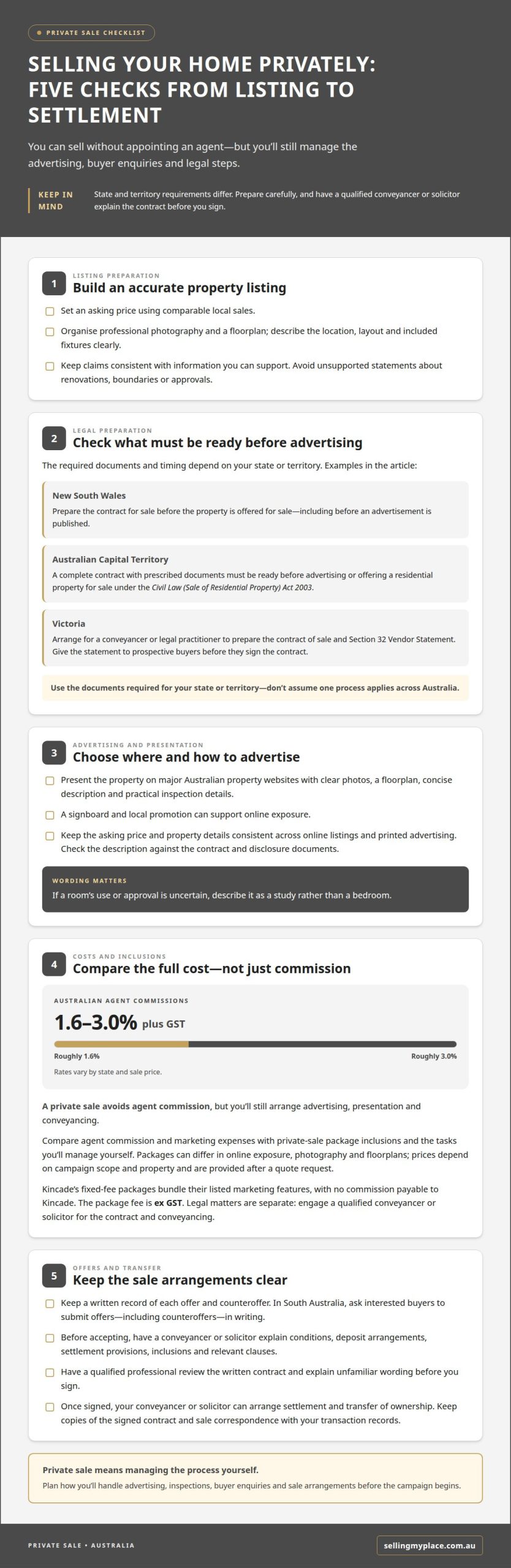
- Prepare a complete, accurate listing. Set an asking price using comparable local sales, then organise professional photography and a floorplan. Describe the home clearly, including its location, layout and included fixtures. Keep every claim consistent with information you can support; avoid unsupported statements about renovations, boundaries or approvals.
Choose a private-sale listing package by comparing its inclusions, such as online exposure, photography and floorplans. Package prices depend on the campaign scope and property, and are provided after a quote request. Plan separately for conveyancing and any advertising or presentation costs.
- Arrange the contract and disclosure documents before advertising where required. State and territory rules differ. In New South Wales, the contract for sale must be prepared before the property is offered for sale, including before an advertisement is published. In the ACT, a complete contract with prescribed documents must be ready before advertising or offering a residential property for sale under the Civil Law (Sale of Residential Property) Act 2003.
In Victoria, arrange for a conveyancer or legal practitioner to prepare the contract of sale and Section 32 Vendor Statement. Give the statement to prospective buyers before they sign the contract. Use the documents required for your state rather than assuming one process applies across Australia.
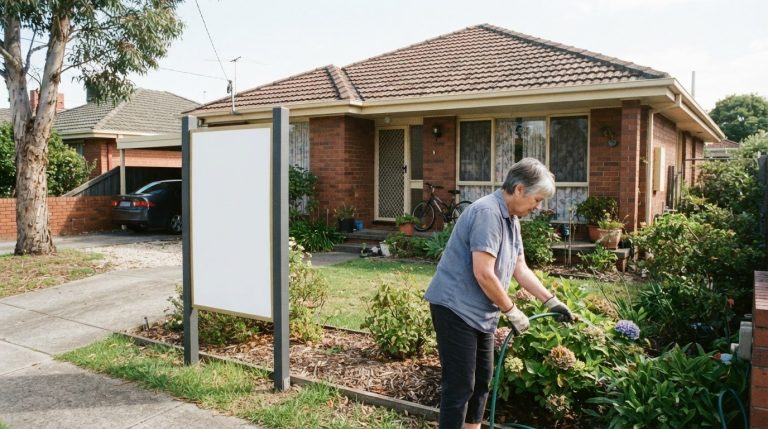
- Choose where and how to advertise. Present the property on major Australian property websites with clear photos, a floorplan, a concise description and practical inspection details. A signboard and local promotion can support online exposure. Keep the asking price and property details consistent across every listing and printed advertisement.
Before publishing, compare the description with the contract and disclosure documents. For example, describe a room as a study rather than a bedroom if its use or approval is uncertain. Accurate wording helps prevent confusion when buyers enquire or consider making an offer.
- Compare private-sale costs with agent commission. Australian agent commissions are roughly 1.6–3.0 per cent plus GST, although rates vary by state and sale price. A private sale avoids agent commission, but still involves arranging advertising, presentation and conveyancing. Compare the proposed agent commission and marketing expenses with the private-sale package inclusions and tasks you’ll manage yourself.
Compare what is included in a package rather than assuming all private-sale listings cover the same services. Kincade’s fixed-fee packages bundle their listed marketing features, with no commission payable to Kincade. The package fee is ex GST. Legal matters are separate, so engage a qualified conveyancer or solicitor to handle the contract and conveyancing.
- Manage offers, signing and ownership transfer carefully. Keep a written record of each offer and counteroffer. In South Australia, ask interested buyers to submit offers, including counteroffers, in writing. Before accepting, have a conveyancer or solicitor explain the conditions, deposit arrangements, settlement provisions, inclusions and relevant clauses.
Have a qualified professional review the written contract and explain unfamiliar wording before you sign. Once it’s signed, your conveyancer or solicitor can arrange the legal steps for settlement and transfer of ownership. Keep copies of the signed contract and sale correspondence with your transaction records.
Do I have to use an agent to sell my property?
No. You can sell a residential property yourself in Australia without appointing an estate agent. You’ll manage the advertising, inspections, buyer enquiries and sale arrangements, so decide how you’ll handle each task before the campaign begins.
-
List the property on major websites
Prepare a listing for major Australian property websites that accept private-sale advertisements. Online property portals are a common way for buyers to find homes, so include clear photos, accurate details and a considered asking price. Check every field before publishing, then keep the price and property features consistent wherever the home appears.
Use the opening lines to identify the property type, suburb and a genuine standout feature, such as a renovated kitchen or courtyard. Include inspection arrangements and a reliable way to enquire. Avoid unsupported claims about renovations, approvals or room use. Inconsistent details across listings can leave interested buyers uncertain and prompt extra questions.
-
Sell without an estate agent
Set up a process for tasks an estate agent might otherwise coordinate. Decide who will answer enquiries, schedule inspections and record buyer discussions. For example, use one email address and an enquiry log to note each buyer’s questions and preferred inspection time. This creates a clear record and makes follow-ups easier.
Choose how you’ll conduct inspections and present the home. Keep access arrangements, available times and visitor instructions clear. If you engage a licensed estate agent for a specific task, agree on their role and terms in writing. Don’t assume that appointing an agent for one part of the sale transfers responsibility for every other step.
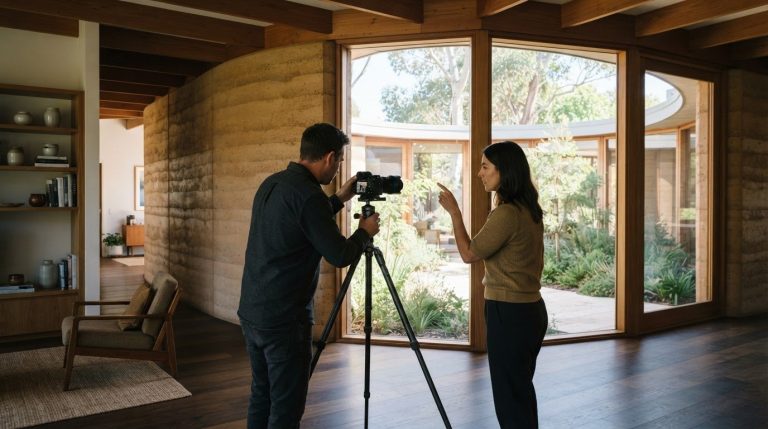
- Prepare photographs, signage and brochures. Arrange professional property photography that shows the rooms, natural light and outdoor areas clearly. A measured floorplan can help buyers understand how the spaces connect. Use a signboard and printed brochure to support online advertising, keeping the asking price and property description consistent across each format.
Before photography, tidy visible surfaces and remove personal items that distract from the rooms. Choose an image order that starts with a strong exterior or living space, then shows the layout and features buyers may want to assess. Don’t use photos that imply a feature the property doesn’t have.
- Gather property documents and records. Bring together available plans, renovation records, approval documents, warranties and details of included fixtures. These records can help you answer buyer questions accurately and make your listing more specific. Keep copies of the published description and photographs, along with a record of enquiries and inspection arrangements.
If you’d like support with your property’s presentation, explore property photography and listing support as part of your campaign planning.
HOW MUCH IS REAL ESTATE COMMISSION IN AUSTRALIA?
A private sale doesn’t automatically result in a higher or lower price than an agent-assisted sale. The outcome depends on the property, buyer demand, presentation and negotiation. With Kincade, the fee is fixed rather than calculated as a commission on the sale price.
-
Compare private sellers with agents
Compare the tasks each approach covers, not just the commission figure. An estate agent may manage marketing, inspections, buyer enquiries and offer negotiations. A private seller takes on those jobs directly or arranges support for selected tasks. Either way, the sale needs accurate property information, a suitable asking price and careful contract handling.
For example, an owner comfortable answering buyer questions and scheduling inspections may prefer a private sale. A seller with limited time may value an agent’s involvement. Don’t assume an agent’s participation guarantees a higher sale price; weigh the service provided against its cost and the work you can manage.
-
Estimate potential commission savings
Estimate the commission on your expected sale price, then compare it with the costs of your private campaign. Australian agent commissions are roughly 1.6–3.0 per cent plus GST, with rates varying by state and sale price. The actual amount depends on the agreed rate and final sale price.
Compare the full cost of selling, including the package fee, legal costs and any services you arrange separately. Kincade’s fixed-fee packages bundle their listed marketing features, and no commission is payable to Kincade. Package prices are ex GST. Don’t treat the package as covering legal services: engage a qualified conveyancer or solicitor for contracts and conveyancing.
-
Consider agent commission negotiability
If you’re considering appointing an agent, ask for the proposed commission and marketing expenses to be set out clearly before accepting their authority. Commission rates and other outgoings are negotiable in Victoria. The written sales authority must state the negotiated commission and marketing expenses, with GST shown separately.
Compare the full terms, including the work the agent will perform and any marketing commitments. A lower commission may not mean a lower overall cost if other expenses apply. Read the authority carefully before signing, and make sure the agreed services and charges match your understanding.
-
Assess your time and selling skills
Decide whether you can manage the practical work of selling without an agent. Consider your availability for inspections, ability to respond promptly to enquiries, confidence discussing offers and willingness to coordinate paperwork. A seller who works irregular hours, for instance, may need help arranging access even when handling negotiations personally.
Keep a written record of buyer conversations, offers and agreed changes. For complex contract terms or specialist questions about title, approvals or building condition, don’t guess. A private sale can suit an organised owner, but you remain responsible for the decisions and tasks you take on.
Buyer enquiries, inspections and offer negotiation
Set a clear routine for buyer enquiries, inspections and offers. A written process helps you respond consistently and keep each decision organised.
-
Manage buyer enquiries
Choose one phone number or email address for enquiries, then record each buyer’s name, questions and preferred inspection time. Reply promptly with information you can support, such as room dimensions or included appliances. Keep a copy of the listing nearby so your answers match its description and advertised terms.
For questions about title, building condition, approvals, boundaries, tax or contract terms, don’t guess. Note the question and get suitable professional advice before responding. A careful answer is more useful than a confident assumption, especially where a buyer may rely on what you say when considering a purchase.
-
Communicate directly with buyers
Use a calm, consistent approach to follow-ups: confirm the buyer’s enquiry, provide relevant details and record any next step in writing. For example, after discussing an inspection time by phone, send a short message confirming the arrangements. This creates a shared record and helps avoid crossed wires between interested buyers.
Ask buyers what information they need to assess the property, then respond with available documents or clear explanations. Keep feedback about price, presentation or timing in a simple log. If an official offer arrives, note its terms and response deadline; sellers may have only a few days to respond.
-
Host property inspections
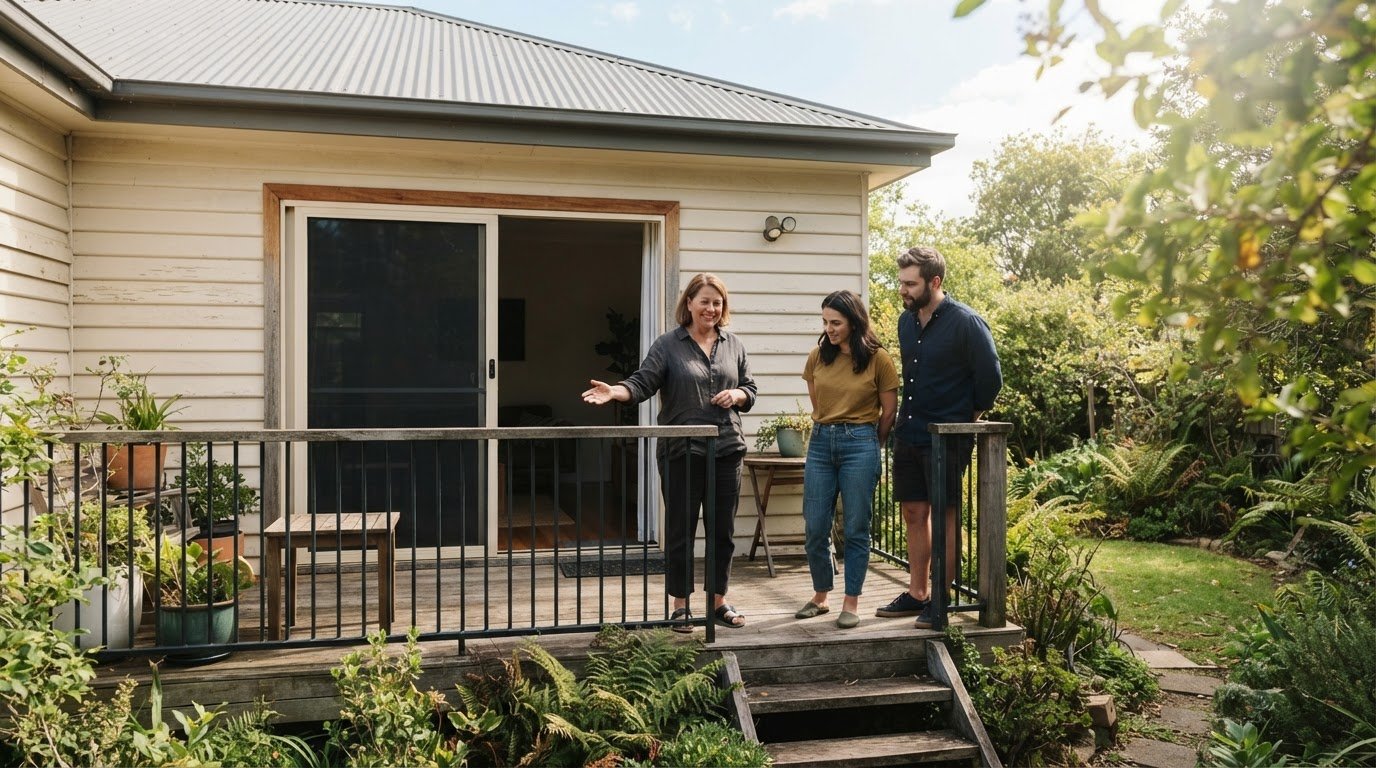
Set inspection times that allow you to prepare the home and give buyers a proper look around. In South Australia, property inspections usually last 30 to 45 minutes. Make access arrangements clear in advance, and keep a record of who attended and any follow-up questions they raised.
During a visit, point out features buyers can see, such as storage, outdoor areas or recent improvements. Don’t make unsupported claims about approvals, boundaries or building condition. If a buyer asks about a specialist matter, say you’ll provide an accurate response after getting appropriate advice rather than improvising.
-
Understand buyer attitudes to private sellers
Prepare for buyers to ask how the private sale works, what documents are available and how to submit an offer. Explain your process plainly, including how you’ll communicate decisions and arrange contract discussions. Clear steps help buyers understand what happens next without suggesting that private sellers must follow an agent’s process.
Invite interested buyers to put their proposed terms in writing. It can be helpful to ask buyers to put offers and counteroffers in writing. When an offer arrives, consider its price alongside conditions, deposit arrangements and settlement provisions. Have a solicitor or conveyancer explain unfamiliar terms before you accept or sign.
Legal status of selling by owner in Australia
- Confirm the requirements for your state or territory. Selling a home without an agent is legal across Australia, but owners remain responsible for meeting the applicable sale requirements. The documents and timing differ between jurisdictions. Before advertising, accepting an offer or signing, arrange advice from a qualified conveyancer or solicitor about the rules for your property.
Requirements differ between states and territories. For example, in New South Wales, a contract for sale is required before a property is listed. In the ACT, a complete contract and prescribed documents must be ready before advertising or offering a residential property for sale.
- Prepare the required disclosure documents. In Victoria, a Section 32 Vendor Statement must be given to an interested buyer before they sign the contract. A seller using a private sale will need a conveyancer or legal practitioner to prepare the Section 32 statement and contract of sale.
South Australian owners must prepare a written contract and a Form 1 Vendor’s Statement. The Form 1 must be served on the purchaser, and the seller is responsible for its completeness and accuracy when neither party has an agent. Keep property descriptions accurate; don’t claim more than the available records support.
- Understand the contract before signing. Have an appropriately qualified professional review the written contract and explain unfamiliar wording. Ask about conditions, deposit arrangements, settlement provisions, inclusions and relevant clauses before accepting an offer. For instance, a buyer’s finance condition can affect the timing and certainty of a purchase, so understand its terms rather than relying on a verbal summary.
Cooling-off rules also vary. In New South Wales, private sales usually give buyers a five-business-day cooling-off period unless it’s waived. Western Australia has no mandatory cooling-off period unless buyer and seller agree to one in the contract. The ACT has a five-business-day period for private treaty sales, but it doesn’t apply to auction sales.
- Keep records through settlement. After signing, retain copies of the contract, correspondence, receipts, approvals and agreed arrangements. Give your conveyancer or solicitor any updates that affect the sale documents or agreed terms. A clear record helps everyone track obligations from signing through settlement and ownership transfer.
Don’t guess about title, boundaries, building condition, approvals or tax when interested buyers ask questions. Gather the relevant records and have a suitably qualified professional explain matters that affect the contract or disclosure. For guidance on preparing a private sale, get support with your sale process.
Kincade International Direct Sales
Kincade International Direct Sales helps Australian homeowners market a private sale with fixed-fee packages and listing support. Its packages can suit owners who want to manage buyer conversations and inspections themselves while getting professional marketing and expert support.
Residential Property Listing Services, Pre-Sale Property Consulting and neighbourhood market reports can help you plan the campaign and understand how to position your home. Buyer Representation is also available when support is needed from the buyer’s perspective. The right next step depends on which parts of the sale you want to manage personally.
For support with your property sale, contact Kincade International Direct Sales.
Set your next move in motion
A property sale is also a transition into what comes next. Before you begin, decide how involved you want to be day to day, which tasks you’re comfortable managing and where you’d value support. That gives you a practical starting point, rather than trying to resolve every decision at once.
If selling a house without commission in Australia suits your circumstances, turn that choice into a clear plan. Identify your first priority, whether that’s preparing the property, shaping the listing or getting advice before going to market. Explore Kincade’s fixed-fee packages to see which marketing features fit your needs.
Kincade International Direct Sales can help you consider the support that fits your sale and your preferred level of involvement. Contact Kincade International Direct Sales to discuss your next step. Your sale can move forward at a pace that feels considered and right for you.
Frequently Asked Questions
How much can you save by selling privately?
The amount you save depends on the costs you would otherwise pay and the expenses involved in your private sale. Kincade’s fixed-fee packages have no commission payable to Kincade, and their listed marketing features are bundled into the package price. Compare the package fee with your expected sale costs, and remember that package prices are ex GST.
How much does it cost to sell a house in Australia?
The total cost depends on your sale method and the services you choose. Kincade’s packages provide fixed-fee property marketing, with legal services arranged separately. For a useful budget, account for the package price and engage a qualified conveyancer or solicitor for legal matters.
Can you legally sell your own home in the ACT?
Yes. ACT homeowners can sell their property privately, but they must meet the territory’s sale requirements. Under the Civil Law (Sale of Residential Property) Act 2003, the complete contract and prescribed documents must be ready before advertising or offering the home for sale. The ACT Energy Efficiency Rating must also appear in every property advertisement. Arrange conveyancing advice early so the required paperwork is prepared before marketing begins.
Do buyers want to deal with private sellers?
Buyers can consider homes offered directly by their owners, and a private sale doesn’t prevent them from making an offer. They may want clear answers about the property, an easy way to arrange an inspection and confidence that the sale documents are in order. Make your enquiry process easy to follow, provide accurate information and keep responses consistent. Buyers can also use their own solicitor or conveyancer during the purchase.
Do you need a conveyancer or a solicitor?
It’s strongly advisable to use a qualified conveyancer or solicitor for a private sale, especially for preparing or reviewing sale documents and managing settlement. The required documents vary between states. In Victoria, a conveyancer or legal practitioner prepares the contract and Section 32 Vendor Statement for an owner selling without an agent. A legal professional can also explain unfamiliar terms, buyer conditions and settlement arrangements before you sign.
How do I determine the price of my property?
Start by comparing recent sales of similar properties, considering location, condition, land and features. One suggested method is to examine sales within one kilometre and within 10 per cent of your expected value. If you’re uncertain, seek estimates from at least three local real estate professionals. Treat estimates as inputs, not guaranteed sale prices, and weigh current buyer feedback alongside the property’s features and competing listings.
How it works?
A private sale starts with setting an asking price and preparing the required sale documents. You then arrange advertising, respond to enquiries, host inspections and consider written offers. Once you accept an offer, the buyer and seller sign the contract, and conveyancing steps lead towards settlement and transfer of ownership. Documents and timing depend on the state or territory, so engage a qualified conveyancer or solicitor to prepare for the legal steps before marketing.
How does selling a house without an agent work in Australia?
You manage the sale directly rather than appointing an estate agent to handle it. That means organising the listing and inspections, communicating with buyers, negotiating offers and coordinating the contract and settlement with a conveyancer or solicitor. In New South Wales, a Contract of Sale is required before listing. Keep written records of offers, agreed terms and buyer communications throughout the process.